

• HOME EN
    • HISTORY
    • E.W.C.
  • CIRCULAR ECONOMY
  • PRODUCTION
    • TEAM & SERVICES
    • LABORATORY
    • QUALITY MANAGEMENT
  • NEWS
  • CONTACTS
    • REQUEST
    • Privacy Policy
  • English
    • French
    • Italian

Type To Search

  • HOME EN
    • HISTORY
    • E.W.C.
  • CIRCULAR ECONOMY
  • PRODUCTION
    • TEAM & SERVICES
    • LABORATORY
    • QUALITY MANAGEMENT
  • NEWS
  • CONTACTS
    • REQUEST
    • Privacy Policy
  • English
    • French
    • Italian
  • HOME EN
    • HISTORY
    • E.W.C.
  • CIRCULAR ECONOMY
  • PRODUCTION
    • TEAM & SERVICES
    • LABORATORY
    • QUALITY MANAGEMENT
  • NEWS
  • CONTACTS
    • REQUEST
    • Privacy Policy
  • English
    • French
    • Italian

Type To Search

  • HOME EN
    • HISTORY
    • E.W.C.
  • CIRCULAR ECONOMY
  • PRODUCTION
    • TEAM & SERVICES
    • LABORATORY
    • QUALITY MANAGEMENT
  • NEWS
  • CONTACTS
    • REQUEST
    • Privacy Policy
  • English
    • French
    • Italian

Recycled rubber powder for the green economy industry
2 July 2020

Circular Economy and Sustainable Development in the Rubber Industry Recycling

Introduction

For several years now, newspapers and television channels have been filling their news channels with this new terminology, “Circular Economy.”

This buzzword is also joined by the Anglo-Saxon term “Green Economy.”

Both refer to a very important issue regarding the sustainability of producing new products with raw materials from recycled sources.

The Rubber Industry and Its Mission in the Circular Economy

Large rubber manufacturing companies have begun research and development into how to replace basic chemical compositions with products derived from sustainable processes.

A push in this direction has been made possible thanks to major fashion brands, which today more than ever are using advertising campaigns to demonstrate that their products are labeled “Green.”

Consumers love this production policy because they envision a future for their children, living on a less polluted planet where humanity strives to preserve the environment.

The History of Recycled Rubber Powder

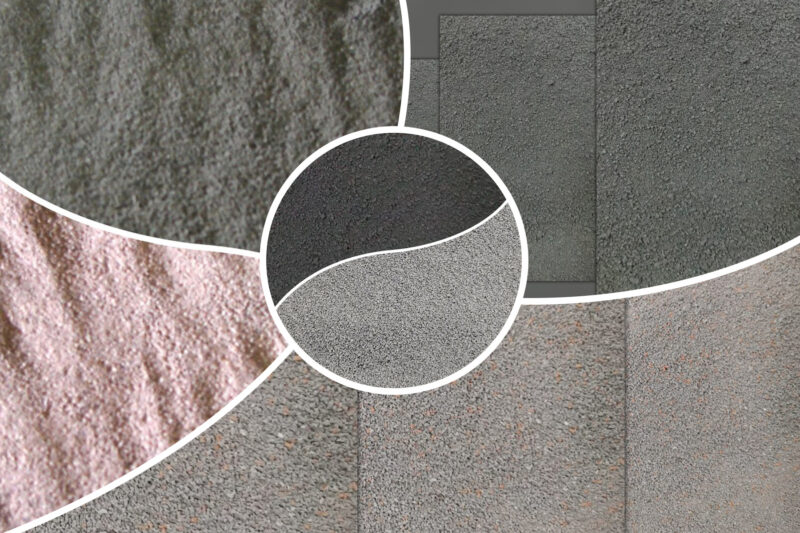
polvere di raspatura da pneumatici usatiRecycled rubber powder has been a popular product for over 60 years. It was produced in the 1950s by buffing old tires for retreading. It was then refined and reintroduced into rubber compounds to reduce production costs. Subsequently, with the founding of our company in 1990, we began recovering industrial production waste. Transforming it into recycled rubber powder increased the possibility of recovery, making specific products more economical. From this, it’s easy to see that the industrial policy of reusing rubber powder was based solely on cost savings in production.
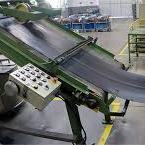
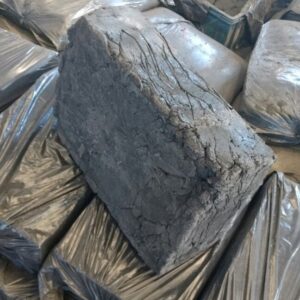
mescola di gomma in lavorazioneDuring the 2000s, overproduction resulting from the industrialization of raw material extraction and increased processing efficiency led to a reduction in raw material costs. This has discouraged the economic use of recycled powder due to the decline in the price of virgin product.
gomma vergine in pani

Fortunately, today, economic considerations are no longer primary. The manufacturing industry has finally realized that continuing to produce fossil fuels on its own is harming the ecosystem. A reversal of this trend forces us to implement it.

Recycled rubber powder and its benefits for sustainable development

Today, recycled rubber powder is one of the products returning to the top of the “Green Economy” list in the rubber industry to achieve the goal of material recovery.

Technologies have enabled us to achieve encouraging results in terms of sustainable development and reuse, fully saturating the environmental balance with the potential recovery of all production waste.

Today, rubber products produced with defects in shape or due to the presence of molding scrap can be reintroduced into the mix once they have been transformed into powder. Its percentage charge depends solely on the technical characteristics of “elongation at break” and “abrasion” that the application needs to guarantee.

Recycled rubber powders can be reintroduced into the mix, such as: SBR with percentages up to 10% without compromising the technical characteristics and reducing the degassing phenomena that affect the product during vulcanization. EPDM with percentages up to 15%, maintaining compatibility with the master recipe of the base mix.

Green to Green by Prismi: When CAM and DNSH Requirements Merge in Rubber Recycling

24 May 2025
NextGreen to Green by Prismi: When CAM and DNSH Requirements Merge in Rubber Recycling
Cerca
Recent Posts
  • From Recycled Granules to Acoustic Rolls: A Sustainable Journey
  • Green to Green by Prismi: When CAM and DNSH Requirements Merge in Rubber Recycling
  • Recycled rubber powder for the green economy industry
Archives
  • June 2025
  • May 2025
  • July 2020
Categories
  • Recycling
  • Uncategorized

Copyright © 1990-2026 Prismi - All Rights Reserved  Prismi srl - via dell'industria 44 63076 Monteprandone (AP) Italy  78000.00 iv P.IVA 01396170449

Top